Optimal Timing for Storm Restorations
Understanding the optimal timing for storm restorations is crucial for ensuring property resilience and minimizing damage. The most suitable period for conducting storm restorations typically aligns with the calmer months when severe weather is less frequent. Proper planning during these times allows for thorough inspections, repairs, and preventative measures to be completed before the next storm season.
Storm restorations are most effective during the dry season, reducing delays caused by rain or wind.
Conducting inspections in late spring or early summer helps identify vulnerabilities before storm season peaks.
Pre-storm season preparations can mitigate damage and improve restoration efficiency.
Restoring damages promptly after storms reduces long-term issues and structural risks.
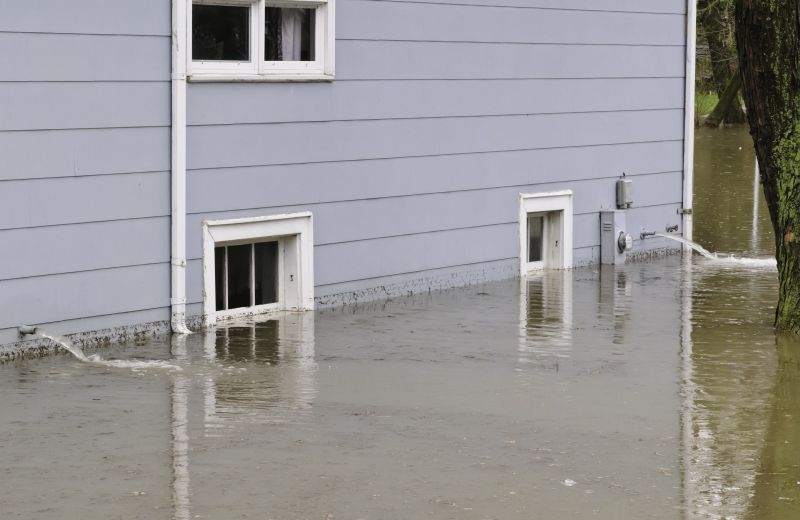
Evaluating storm damage with detailed inspections helps prioritize restoration efforts.
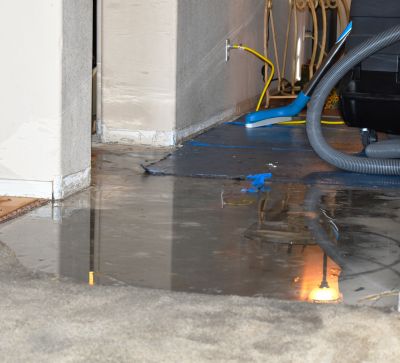
Specialized tools and machinery facilitate efficient storm damage repairs.

Strengthening structures before storms can reduce damage severity.
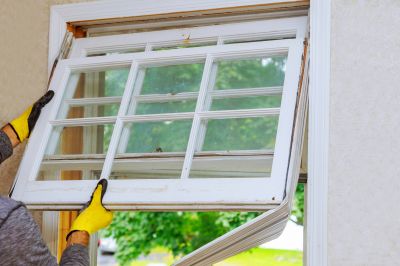
Ways to make Storm Restorations work in tight or awkward layouts.
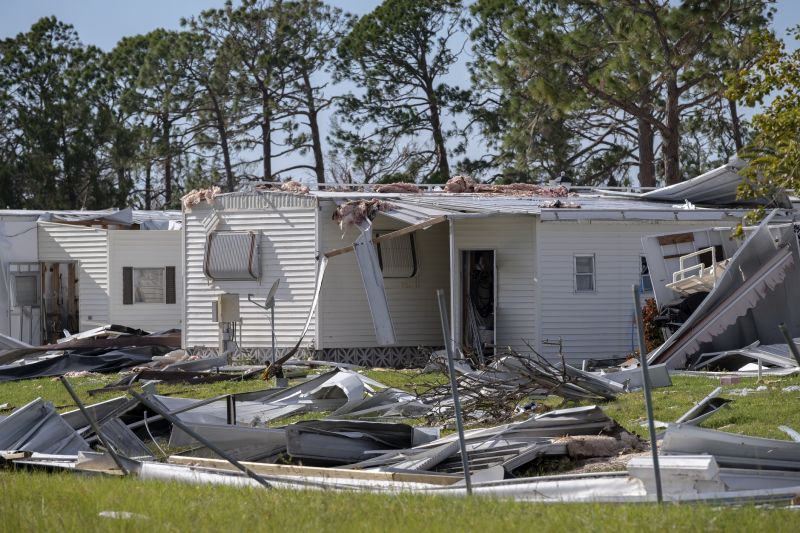
Popular materials for Storm Restorations and why they hold up over time.
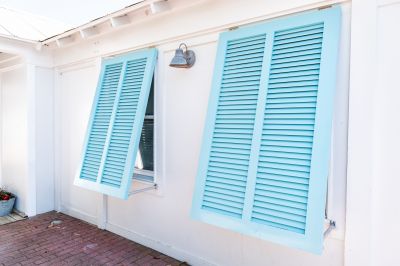
Simple add-ons that improve Storm Restorations without blowing the budget.
| Aspect | Details |
|---|---|
| Optimal Months | Late spring through early fall |
| Weather Conditions | Dry and stable weather preferred |
| Inspection Timing | Late spring or early summer |
| Post-Storm Repairs | Immediately after storm events |
| Preparation Periods | Before storm season begins |
| Monitoring Trends | Weather forecast analysis |
| Property Vulnerability Checks | Prior to storm season |
| Seasonal Planning | Aligning restoration activities with weather patterns |
Storm restorations involve repairing and reinforcing structures damaged by severe weather events. These efforts are essential for maintaining property integrity and safety. Proper timing ensures that restoration work is completed efficiently and effectively, reducing the risk of further damage. Statistics indicate that timely restorations can significantly decrease repair costs and improve long-term durability.
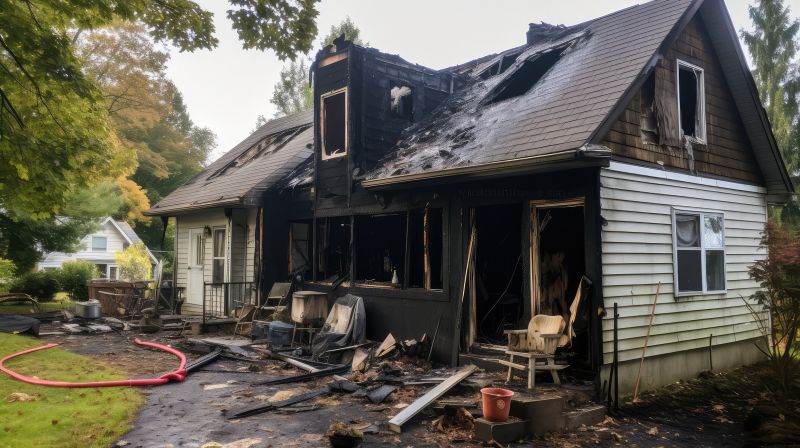
Restoration involves assessing damage, removing debris, and repairing structural elements.
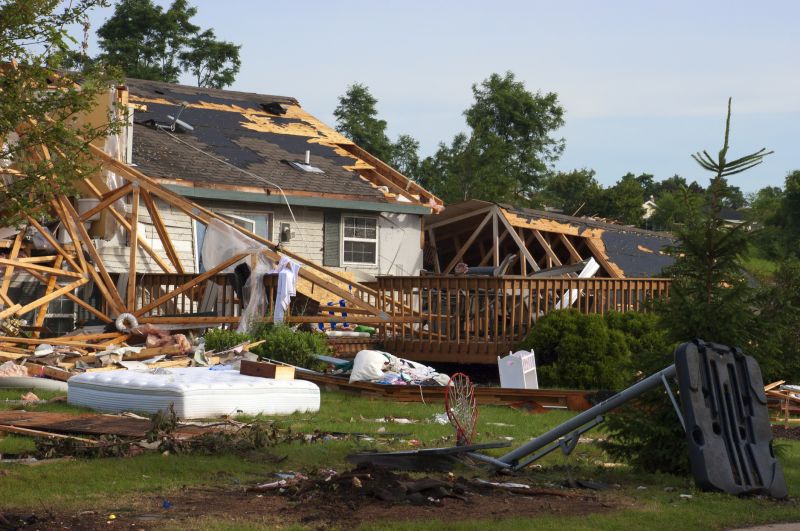
Upgrading roofs before storm season can prevent leaks and structural failure.
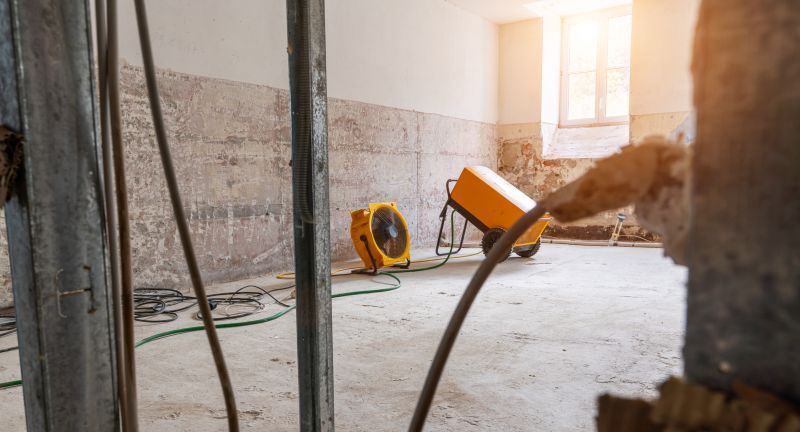
Rapid response tools enable quick restoration after storm events.

Skilled crews perform repairs with precision and safety in mind.
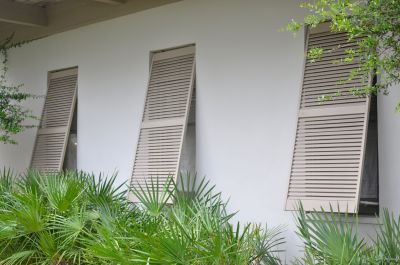
High-end options that actually feel worth it for Storm Restorations.
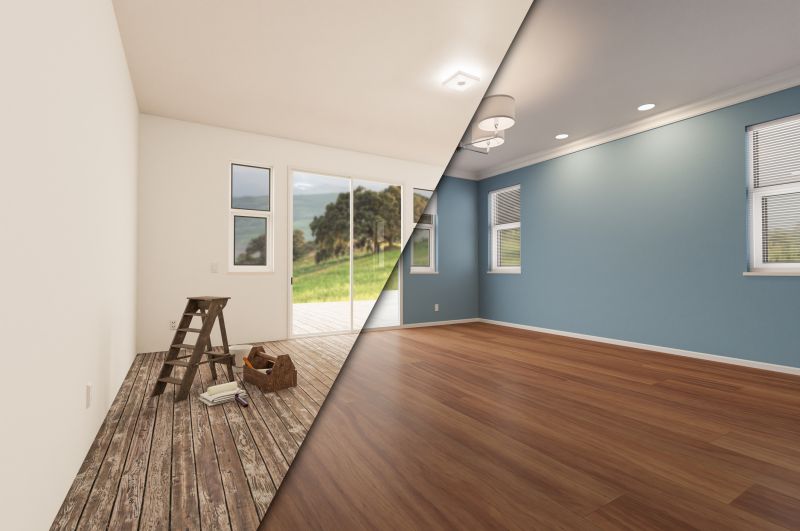
Finishes and colors that play nicely with Storm Restorations.

Little measurements that prevent headaches on Storm Restorations day.

A 60-second routine that keeps Storm Restorations looking new.
For property owners in Boynton Beach, Florida, scheduling storm restorations during the optimal seasons can help safeguard investments and reduce disruption. Proper planning and timely action are key components of effective storm damage management. Interested parties are encouraged to contact professionals to discuss specific needs and develop a tailored restoration plan.